Tangible Font: Friendly Handwritten Style for Business Branding
Why Tangible Works for Real Business Touchpoints
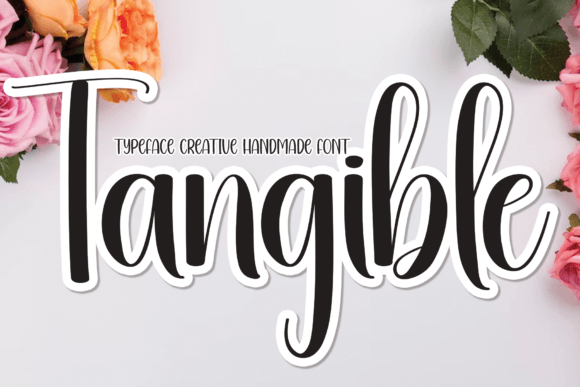
Tangible is a sweet, approachable handwritten font that brings warmth and personality to any small business brand. With its clean yet playful strokes, it’s designed to feel personal without looking messy or overly casual. As a small business owner, you need every tool to help your brand stand out in a professional, memorable way. Whether you're designing packaging, creating social media posts, or printing product labels, the right font can make a big difference in how customers perceive your brand.
Perfect for Branding Across Multiple Channels
One of the best things about Tangible is its versatility. It works well as a headline font, logo typeface, or accent style in a broader brand system. Think of a local bakery using Tangible on custom cupcake labels or a handmade candle brand printing it on minimalist product tags. The font’s legibility and neat structure make it ideal for both print and digital use, from Instagram stories to website banners and email headers.
Real-World Uses for Tangible in Small Business Branding
- Logo design – A boutique or wellness brand can use Tangible for a soft, approachable logo that feels personal yet polished.
- Packaging design – From thank-you notes to product tags, Tangible adds a friendly touch to physical items customers interact with directly.
- Social media graphics – Use it in Instagram posts or Pinterest pins to create a cohesive visual tone that reflects your brand voice.
- Website visuals – Whether for a hero banner or call-to-action buttons, Tangible helps guide attention while adding warmth.
- Printed marketing materials – Flyers, business cards, and event posters look more inviting with a clean, expressive script font like Tangible.
How Tangible Helps Build a Recognizable Brand
Consistency is key in branding. When you use the same font across your website, packaging, and marketing materials, you create a visual thread that customers start to recognize. Tangible, with its unique yet readable style, helps you build that consistency without sacrificing personality. It strikes a balance between being decorative enough to stand out and clean enough to be used repeatedly without overwhelming your audience.
For example, a coffee shop might use Tangible in their menu design to add a warm, handcrafted feel. A skincare brand could apply it to product labels to communicate care and attention to detail. In both cases, the font supports the brand's overall tone and helps create a visual identity that feels intentional and trustworthy.
Readability in Real Business Settings
While style matters, readability is just as important. Tangible is designed with clarity in mind, making it easy to read even in smaller sizes. This is especially useful when you're working with product labels, mobile website headers, or printed stickers where space is limited. Unlike some overly decorative script fonts, Tangible maintains its legibility across different mediums, from digital screens to printed materials.
Still, it’s a good idea to test how Tangible looks in your specific use case before committing to it across all brand assets. Try it out on a sample business card, a mockup of your packaging, or a preview of your website’s mobile layout. Seeing it in action will help you decide if it fits your brand’s visual style and functional needs.
Pairing Tangible with Other Fonts
For a balanced brand look, consider pairing Tangible with a clean sans serif or a classic serif font. This helps create contrast while keeping your design cohesive. For example, you might use Tangible for headlines and a simple sans serif like Helvetica or Montserrat for body text. Or, if you're designing a more elegant brand identity, pair it with a refined serif for a timeless, curated feel.
Font pairing is a practical way to build visual hierarchy. Tangible stands out as a display font, so it works best for short text like titles, taglines, or calls to action. Pairing it with a more neutral font ensures your overall design remains readable and professional, especially in longer content like website copy or packaging descriptions.
Check Licensing Before Using Tangible
Before you start using Tangible across your brand materials, make sure you have the right license. Most premium fonts come with different usage rights, and it’s important to understand what’s allowed. If you're using the font on product packaging, in digital downloads, or in client work, confirm that your license covers those uses. This ensures you’re using the font legally and protecting your business from potential issues down the line.
Use Tangible Where It Adds Value
Not every part of your brand needs to be in a handwritten font. Tangible works best when used strategically—like in your logo, on product packaging, or in social media quotes. It’s a great accent typeface that adds personality without overpowering your design. By using it selectively, you maintain a clean, professional look while still giving your brand a human, approachable feel.
Whether you're launching a new product line, redesigning your website, or updating your packaging, Tangible offers a fresh, modern way to connect with your audience. It’s a script font that balances fun and professionalism, making it a smart choice for small business owners who want to build a consistent, memorable brand identity.